Why learning retreats work, and how to plan one your team will remember
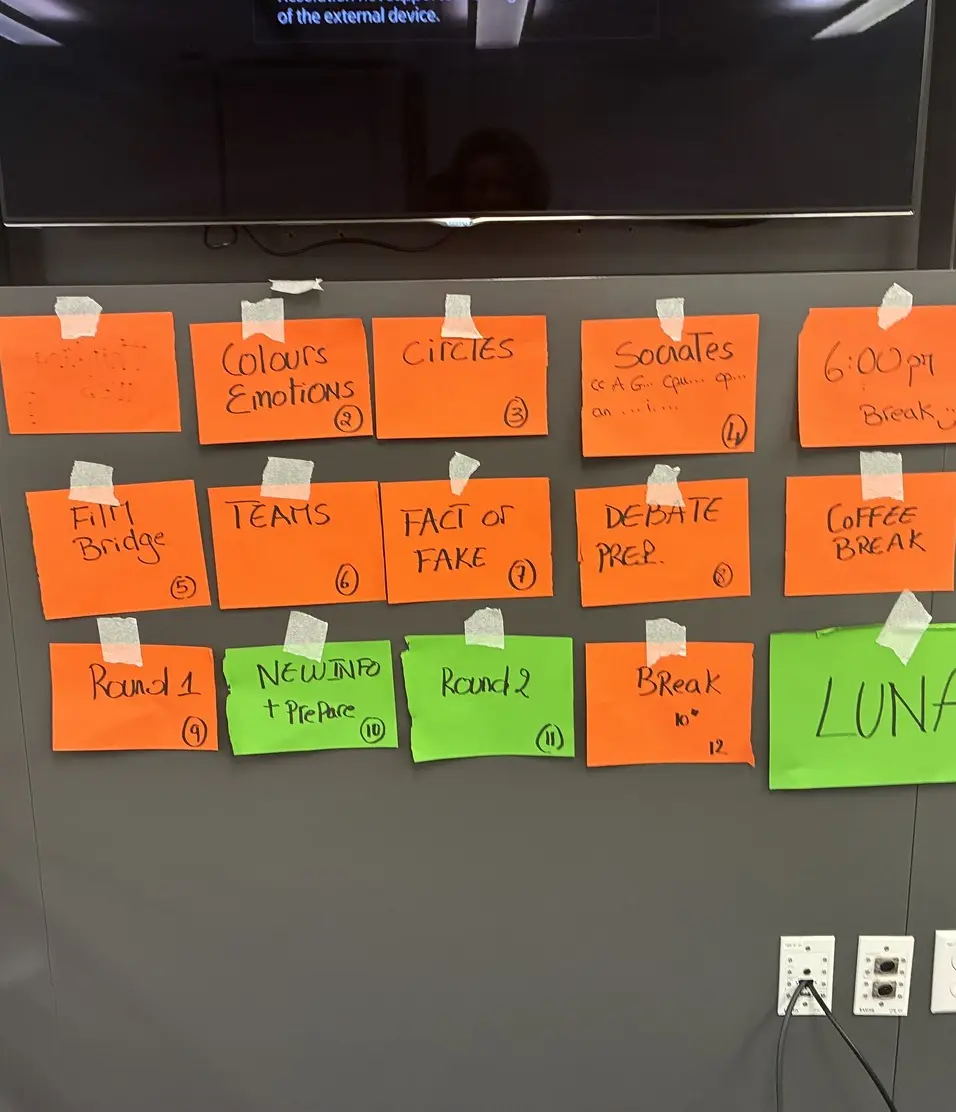
Ask anyone about the most important thing they ever learned at work, and they rarely mention a slide deck. They talk about a conversation on a walk, a project that went wrong, a trip that changed how they saw things. Immersive learning is built on that simple truth: we learn most deeply through experience, followed by reflection.
20 October 20268 min read

In this guide
The learning cycle behind every good retreat
In 1984 the educational theorist David Kolb described learning as a cycle: we have a concrete experience, we reflect on it, we form new ideas, and we try them out: which creates the next experience. Most workplace training stays in the "ideas" corner. A well-designed retreat moves through the whole cycle, often several times in a few days.
That is why the walk, the shared meal and the evening conversation matter as much as the formal sessions. They are not breaks from learning; they are where much of it happens.
Why stepping out of routine helps
Familiar places carry familiar habits. In the office, people sit in the same seats, defend the same positions and fall into the same roles. A different environment, a landscape, a city, a workshop space, loosens those patterns. People notice more, listen more and are more willing to try something new.
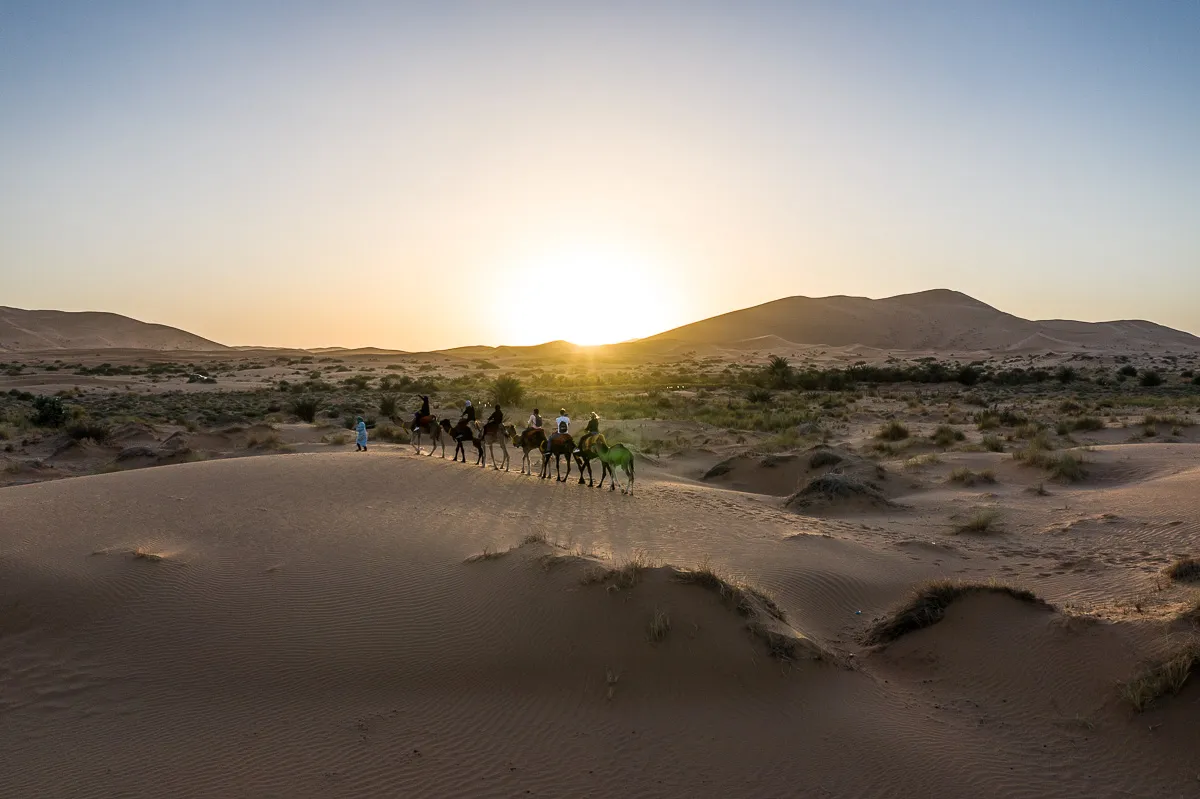
This does not require a long-haul flight. A day in the Mayo countryside, a weekend in a rural centre, or a well-hosted session in an unfamiliar room can all create that shift. What matters is intention.
Five ingredients of a retreat people remember
- A clear purpose. "Rebuild trust after a hard year", "design next year's programme together", "learn from another culture's approach to community". Everything else follows.
- A rhythm of doing and reflecting. Mornings of activity, afternoons of conversation, evenings that are genuinely free.
- Encounters, not just sights. Meeting people who live and work in a place teaches far more than visiting it.
- Skilled facilitation. Someone whose job is the group's experience, so the leader can take part as a participant.
- A bridge back home. A practical plan, a buddy, and a follow-up date so the learning survives the return to normal life.
Co-design and co-build
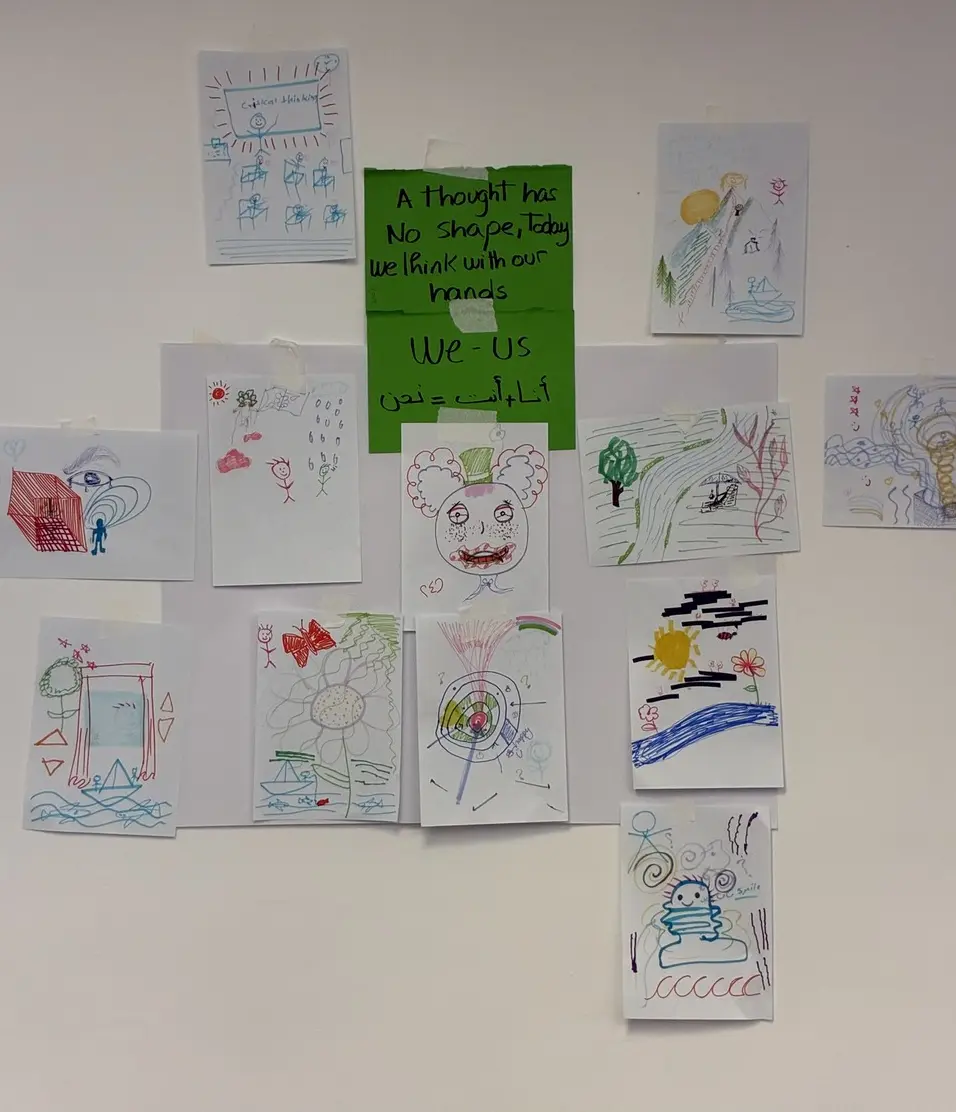
Some of the most powerful immersive experiences involve making something together. In co-design and co-build workshops, a group, a team, a community, young people, neighbours, designs and builds a real object or space: a garden, an installation, a piece of furniture, a mural. The shared effort creates trust, and the finished work becomes a lasting reminder of what the group can do.
This approach draws on decades of participatory design practice, from community architecture to urban living labs, and it is close to our own roots in architecture and spatial justice.
"People remember what they made together long after they have forgotten what they were told."
Planning your retreat: a simple timeline
- Three months before: agree the purpose and the people. Choose the place to fit the purpose, not the other way around.
- Six weeks before: design the programme with your facilitator. Share expectations and practical details with participants.
- Two weeks before: a short pre-retreat conversation or survey so people arrive with questions, not just luggage.
- During: protect time for reflection. Fewer sessions, done well.
- Thirty days after: follow up on commitments and celebrate what has moved.
Accessibility and inclusion
A retreat should work for everyone in the group. Think about physical access, dietary needs, caring responsibilities, cost and cultural considerations from the start. Offering a local, non-residential version alongside a residential one is often the fairest option.
How Slí Nua Immersive works
Slí Nua Immersive designs regenerative learning experiences: guided programmes, facilitated dialogue, experiential workshops, reflective retreats, camps, and co-design and co-build projects, in Ireland and internationally. Our international journeys started with a Morocco pilot in 2026. Every experience ends with a practical pathway for what comes next.
Frequently asked questions
What is experiential learning?
Learning through direct experience followed by reflection, new ideas and experimentation: the cycle described by David Kolb in 1984. Retreats and co-design projects are built around it.
Does a learning retreat have to be abroad?
No. A day or weekend in a new setting in Ireland, well facilitated, can be just as powerful. International journeys add cultural encounters and a stronger break from routine.
What is co-design and co-build?
A participatory process where a group designs and physically makes something together, a space, an installation or an object, building skills and trust along the way.
Want help with this? Talk to Slí Nua Immersive.
Retreats and guided journeys that take you out of routine and turn reflection into action.
Further reading and references
- Kolb, D. A. (1984). Experiential Learning: Experience as the Source of Learning and Development. Prentice Hall.
- Lave, J. & Wenger, E. (1991). Situated Learning: Legitimate Peripheral Participation. Cambridge University Press.