Serious games and learning platforms people actually use
Organisations spend a great deal on training that people click through as quickly as possible. The problem is rarely the content. It is that the learning was designed for a system, not for the human using it. Here is how we think about platforms, games and AI so that learning actually sticks.
20 October 20268 min read
In this guide
Start with behaviour, not software
Before choosing a platform, ask a simple question: what should people do differently after this learning? Answer cleanly ("new staff can handle a difficult phone call", "volunteers know exactly what to do in a safeguarding concern", "managers give feedback every month") and every other decision gets easier.
Technology is the last decision, not the first.
Choosing a learning platform (LMS)
A learning management system hosts your courses, tracks progress and issues certificates. There are many good options, from large enterprise systems to lighter platforms built for small organisations and course creators. When we help clients choose, we look at:
- The learner's experience on a phone. Many of your learners will open courses on a mobile, often in short bursts.
- How easy it is for your own team to update content without calling a developer.
- Accessibility: captions, readable contrast, keyboard navigation, plain language.
- Data protection: where data is stored, and whether the provider meets GDPR requirements.
- Certificates and CPD records if your learners need proof of learning.
- Total cost over three years, not just the first-year price.
When serious games work
The term "serious games" goes back to Clark Abt's 1970 book of the same name: games designed for a purpose beyond entertainment. In training, that might be a board game that simulates a budget decision, a card game that helps a team discuss values, or a short digital scenario where choices have consequences.
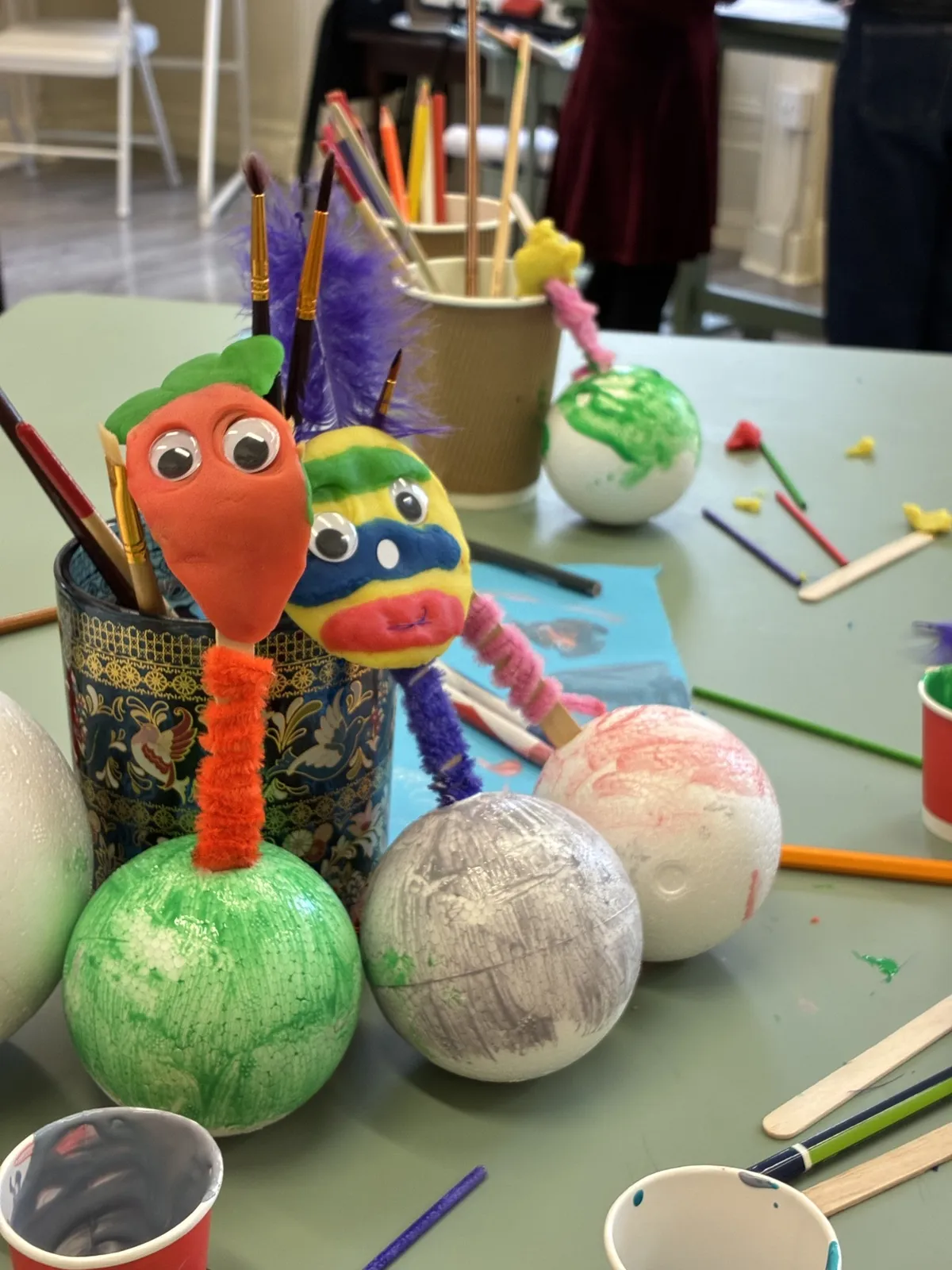
Games work well when:
- People need to practise decisions, not just memorise facts.
- The topic is sensitive: conflict, inclusion, ethics, and a game offers some distance to talk about it.
- Teams need to understand a system, such as how one department's choices affect another.
They work less well when the goal is simple compliance knowledge that a short, clear explainer would cover in five minutes. Gamification, adding points and badges to ordinary content, is not the same thing, and can feel patronising if overused.
Ethical AI in learning
AI tools can now generate quizzes, summarise long documents, translate content and offer learners a practice partner. Used well, they make learning more accessible. Used carelessly, they produce confident errors and raise real privacy questions.
Our principles are simple:
- A human stays in the loop. AI can draft; a qualified person checks and decides.
- No personal data in public AI tools. Learner names, case details and sensitive information stay out.
- Be transparent. Tell learners when they are interacting with AI.
- Design for empathy. Tools should support reflection and better decisions, not replace human judgement.
The EU AI Act introduces transparency and AI-literacy obligations that make these principles a legal matter as well as an ethical one.
Small organisations can do this too
You do not need a large budget to create learning people value. A short explainer video, a well-designed card game for team meetings, and a simple course on an affordable platform can transform how volunteers or staff are inducted. What matters is that it is designed with the people who will use it.
"The best learning tool is the one people choose to open again."
How Slí Nua Innovation helps
Slí Nua Innovation designs learning platforms, knowledge products, explainer videos, serious games, facilitation tools and empathy-driven, ethical AI tools with organisations and institutions. We co-design with your team, prototype quickly, test with real users and hand over something your people can run themselves. You can try some of our learning games on our Innovation portal.
Frequently asked questions
What is a serious game?
A game designed for a purpose beyond entertainment, such as learning, practising decisions or exploring a complex topic. The term was popularised by Clark Abt's 1970 book Serious Games.
Which LMS is best for a small organisation?
It depends on your learners and team. Test the mobile experience, ease of updating content, accessibility, GDPR compliance, certificates, and the total cost over three years before deciding.
Is it safe to use AI in training?
Yes, with guardrails: keep a human in the loop, keep personal data out of public AI tools, tell learners when AI is involved, and check outputs before they reach learners.
Want help with this? Talk to Slí Nua Innovation.
Human-centred learning platforms, knowledge tools and ethical AI: technology that supports people rather than replacing them.
Further reading and references
- Abt, C. (1970). Serious Games. Viking Press.
- Deterding, S. et al. (2011). From game design elements to gamefulness: defining 'gamification'. MindTrek Conference.
- European Union (2024). Regulation (EU) 2024/1689, the AI Act.