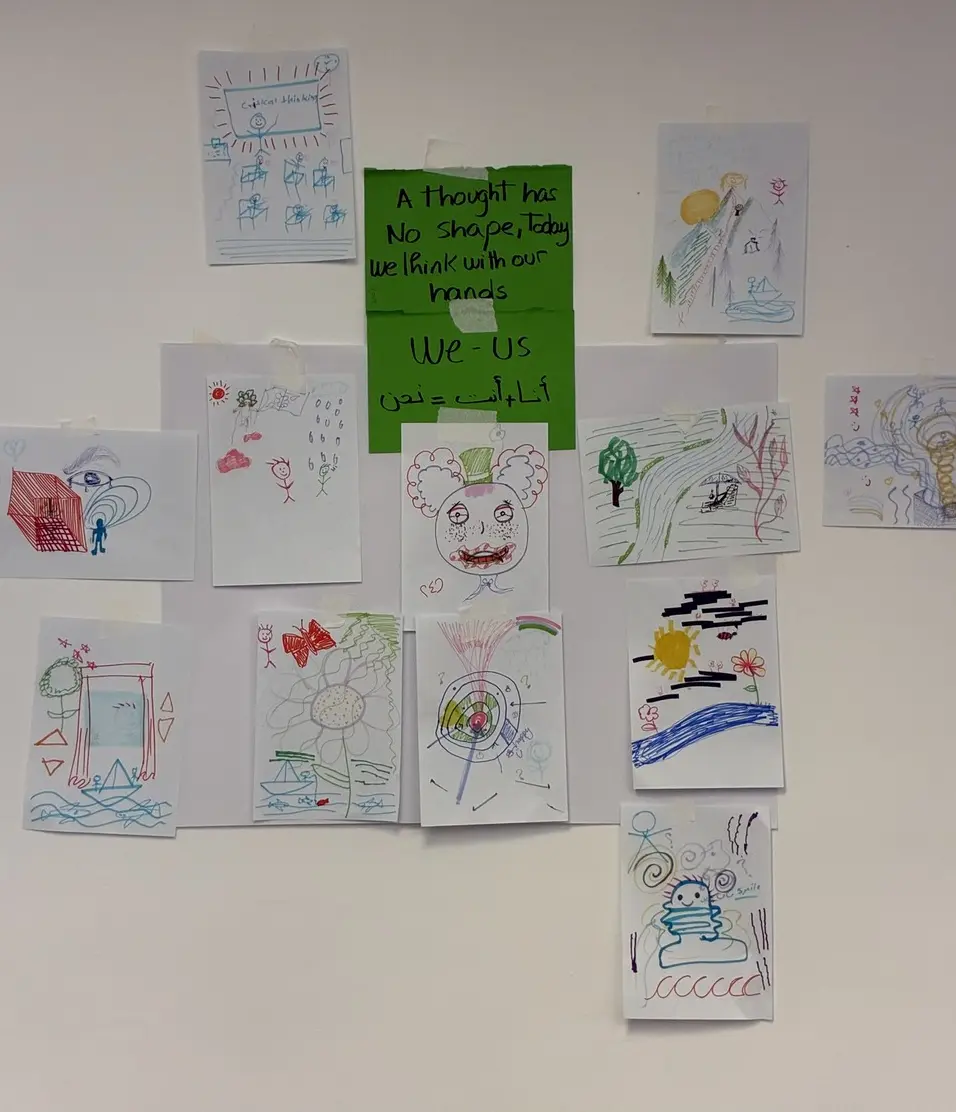
Strategy workshops that actually change things
Almost every organisation has a strategy document somewhere that nobody opens. It was written after a day in a hotel, everyone left energised, and three months later life carried on exactly as before. A good strategy workshop is not about producing that document. It is about the conversations, decisions and commitments that happen in the room.
20 October 20269 min read
In this guide
Why strategy days often fail
In our work with boards, councils, community groups and businesses, the same patterns come up again and again:
- The wrong question. "What should our strategy be?" is too big to answer in a day. "What are the two or three things we must do differently in the next 18 months?" is not.
- The loudest voices win. Without structure, a workshop tends to amplify the people who already talk the most.
- No shared picture of the present. People argue about the future because they have different ideas of where the organisation is today.
- No owner for what happens next. Decisions without names, dates and a review point quietly evaporate.
None of this is about bad intentions. It is about design.
Start with a gap, not a vision
We usually begin with a short gap assessment: a simple, honest look at where the organisation is now compared with where it needs to be. This can be a short survey, a handful of one-to-one conversations, or a review of existing plans and feedback. It means that on the day, people start from evidence rather than assumptions.
A good gap assessment asks plain questions. What do the people you serve say about you? What do staff or volunteers find frustrating? Where is money or energy leaking away? What has changed outside, funding, regulation, technology, the community itself, that you have not yet responded to?
Design the day for participation
Research on teams has shown for decades that people contribute more when they feel safe to speak up. Amy Edmondson's work on psychological safety (1999) is a useful reminder that the quality of a strategy depends on whether the people in the room feel able to say what they really think.
In practice, that means:
- Thinking alone before talking together. A few minutes of silent writing on sticky notes before discussion gives quieter people the same chance as confident ones.
- Small groups, then the whole room. Pairs and threes generate more honest ideas than a table of twelve.
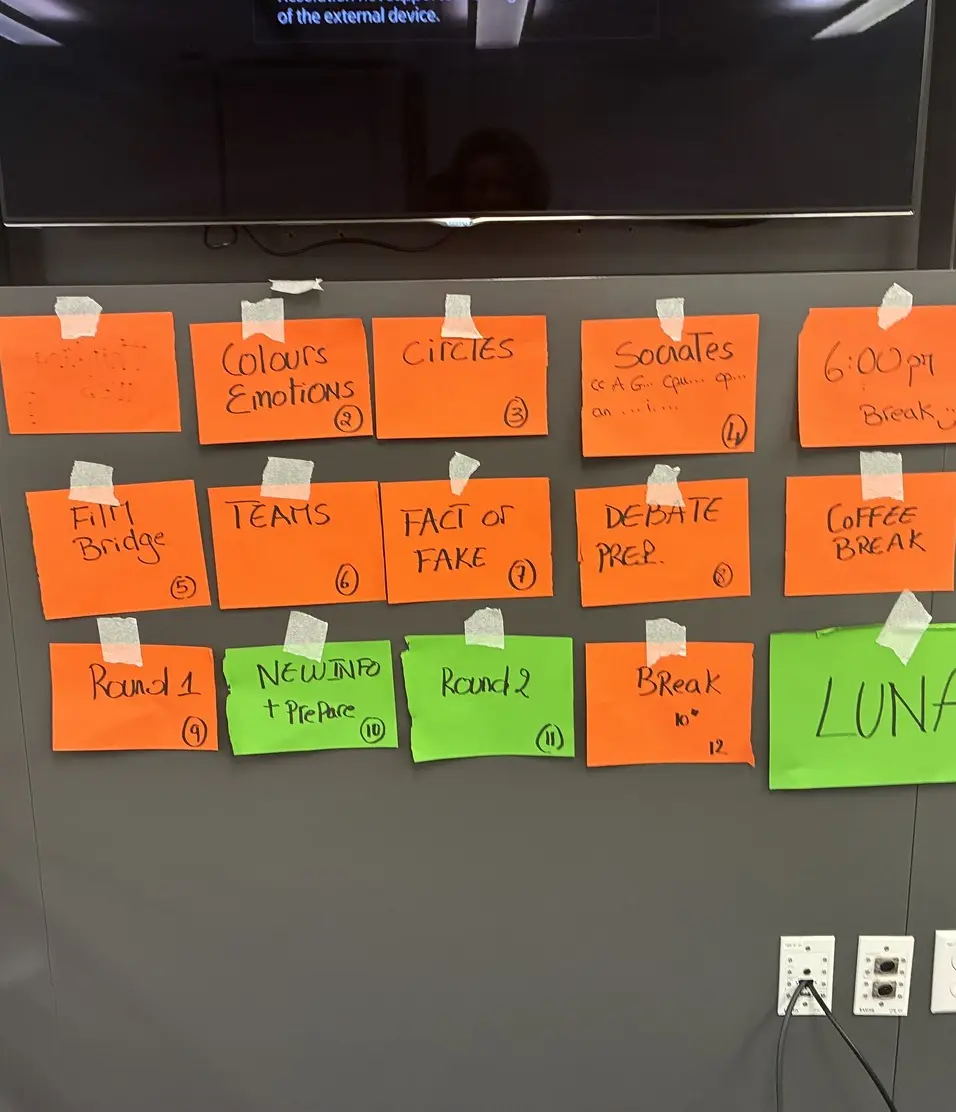
- Visible thinking. Walls, maps and timelines let everyone see the whole picture and spot patterns.
- Clear decision rules. Before you start, agree how decisions will be made: consensus, majority, or the chair deciding after hearing everyone.
Make it about choices
Strategy is as much about what you will stop doing as what you will start. A useful exercise is to list everything the organisation currently does and ask, for each item: keep, change, or stop? Many teams find this is where the real energy is released.
"Strategy is not a list of good intentions. It is a small number of hard choices, made together and owned by someone."
Culture, conflict and governance
Sometimes the barrier is not the plan but the relationships around it. Long-running disagreements, unclear roles between board and staff, or tension between founders and newer members can block any strategy. In these cases we often recommend separate work first: a facilitated conversation, mediation or a governance review. It is slower in the short term and much faster overall.
After the workshop: the 30-60-90 rule
The work that matters most happens after everyone goes home. We encourage every group to leave with:
- Three to five priorities, written in plain language.
- An owner and a first step for each, due within 30 days.
- A check-in at 60 days to see what is moving and what is stuck.
- A short review at 90 days, honestly asking what needs to change.
How Slí Nua Creative works
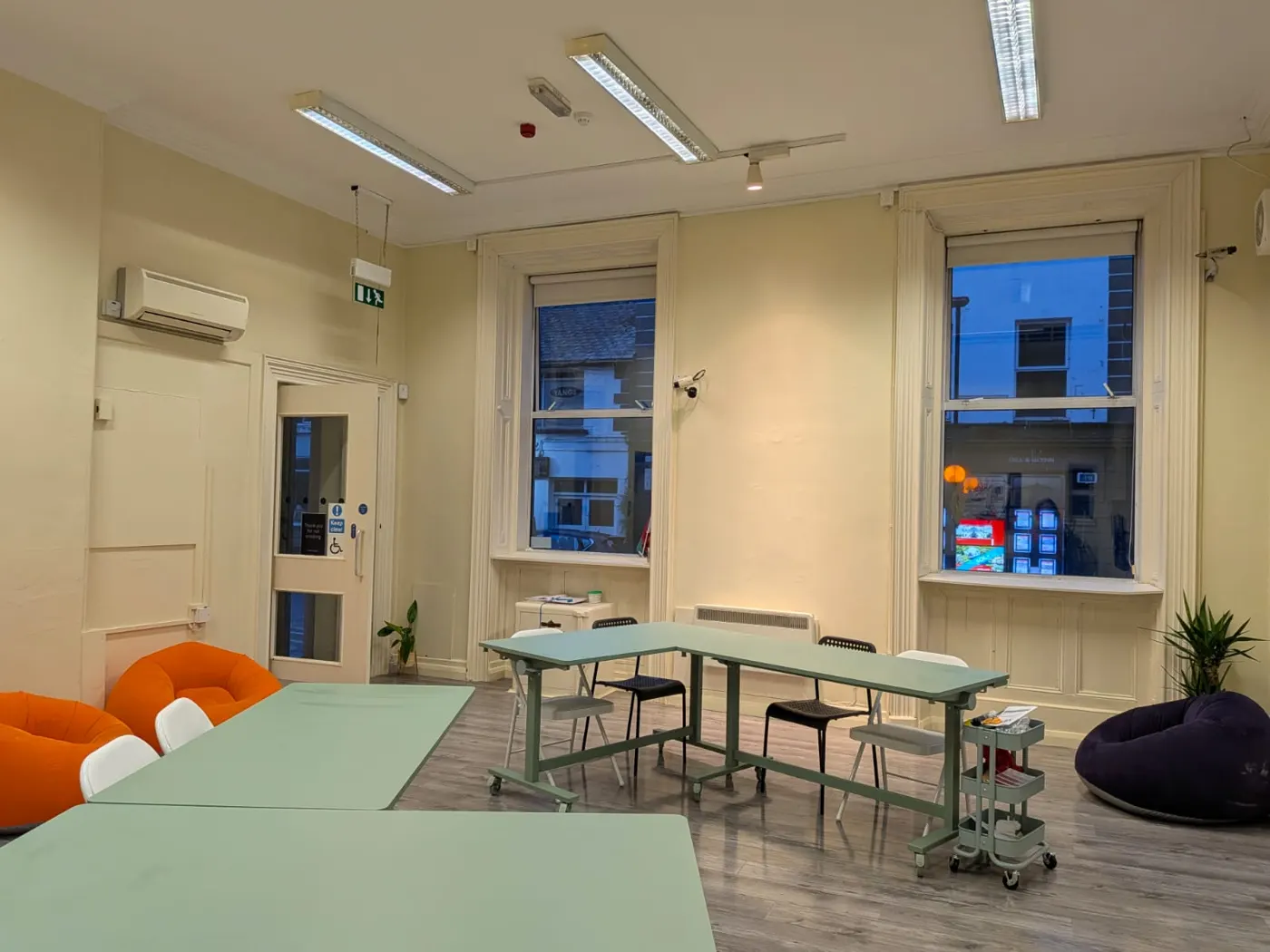
Slí Nua Creative supports organisations, leadership teams, boards and community groups with gap assessments, strategy workshops, leadership development, team building, stakeholder engagement, collaborative decision-making, and mediation and governance support. We work on your premises, at the Nexus in Ballinrobe, or online.
Our approach comes from participatory design and urban practice: we design with people, not for them. That means listening first, making the process visible, and making sure that the decisions belong to you.
Frequently asked questions
How long should a strategy workshop be?
For most organisations, one well-designed day or two half-days works best, preceded by a short gap assessment and followed by check-ins at 30, 60 and 90 days.
Do you facilitate board away days and community groups?
Yes. We work with boards, councils, community and voluntary groups, social enterprises and businesses across Ireland, on site, at the Nexus in Ballinrobe, or online.
What if our team is in conflict?
We will often recommend a facilitated conversation, mediation or a governance review before strategy work, so the plan is not blocked by unresolved tensions.
Want help with this? Talk to Slí Nua Creative.
Leadership, strategy and culture work for organisations navigating change, growth or realignment.
Further reading and references
- Edmondson, A. (1999). Psychological Safety and Learning Behavior in Work Teams. Administrative Science Quarterly, 44(2).
- Schön, D. (1983). The Reflective Practitioner. Basic Books.